Author Archives: Alexandre Latsa

About Alexandre Latsa

Frussien, père de famille, chef d’entreprise à Moscou, entrepreneur géopolitique et russophile positif. Co-auteur du livre “Putin’s new Russia” (en anglais et en russe) et auteur du livre “Mythes sur la Russie“, disponible lui uniquement en russe et un “Printemps RUSSE” disponible en Francais. Ce journal d’un Frussien traite de la Russie. Vous pouvez me contacter par email : alexandre.latsa@gmail.com, Ou me suivre sur Twitter https://twitter.com/Frussien Instagram https://www.instagram.com/frussien/ Telegram https://t.me/alexandrefrussien

ХХI век, век Арктики?

Оригинальная статья была опубликована в РИА Новости
  *
Очень скоро в Архангельске, на севере России, состоится второй международный форум «Арктика, территория диалога», организованный Русским географическим обществом. Для большинства Арктика созвучна Северному полюсу, то есть покрытой льдами зоне, населенной белыми медведями и пингвинами, где почти нет людей. Для других, более осведомленных (в том числе, несомненно, многих читателей РИА Новости) Арктика, напротив, является громадным театром военных действий, со значительными запасами полезных ископаемых. Кроме того, это зона соперничества великих держав, предвосхищающего битву за энергетические ресурсы, которую, без сомнения, увидит это столетие. Эта напряженность вокруг Северного полюса не нова. Во время холодной войны советские и американские власти рассматривали Арктику как самый короткий путь для слежки друг за другом, но также как географический мост на случай военного вмешательства. По мнению Жана-Клода Безида, на тот момент Арктика стала «геополитической границей раздела между державами».

После распада СССР и окончания холодной войны прибрежные арктические страны (Россия, Канада, Норвегия, Дания, США) учредили три региональные организации для содействия сотрудничеству между государствами, имеющими интересы в этой зоне: Совет государств Балтийского моря в 1992 году, Совет Баренцева/Евроарктического региона (СБЕР) в 1993 году и, наконец, Арктический Совет в 1996 году. Ранее, в 1982 году, в Монтего-Бэй была подписана конвенция ООН по морскому праву, но она вступила в силу только в 1994. Это скромное потепление в отношениях сопровождается потеплением климатическим с важнейшими последствиями для планеты.

Таяние льдов действительно должно ускориться в течение этого столетия, поскольку с 1979 года площадь арктических льдов сократилась на 20%, а к 2100 году она должна сократиться еще на 50%. Это таяние льдов предоставляет важнейшие экономические и стратегические перспективы, благодаря развитию более коротких морских торговых путей, более рентабельных и безопасных, между Западом и Азией. Существуют два основных варианта, северный маршрут вдоль побережья Сибири и северо-западный маршрут, который проходит через крайний север Канады. Кроме того, полагают, что четверть неразведанных мировых запасов нефти и газа находится в Арктике.

Район также богат разнообразными полезными ископаемыми (никель, железо, фосфаты, медь, кобальт, уголь, золото, олово, вольфрам, уран и серебро). Наконец, Арктика обладает крупнейшими запасами пресной воды на планете. Возвращение России в круг мировых держав значительно изменило ситуацию в арктическом регионе. Действительно, даже если отношения между Россией и северными державами робко и дипломатически потеплели, факт остается фактом, все заинтересованные государства, а также государства со статусом наблюдателя, как Франция, являются членами НАТО, за исключением России.

Россия и Канада, обладающие статусом будущих хозяев торговых путей, решили активно утверждать свой суверенитет в регионе. Во время памятной экспедиции в 2007 года Россия с помощью батискафов установила свой флаг на дне Северного Ледовитого океана. В то время английская пресса сравнивала эту экспедицию с первыми шагами человека на Луне в 1969 году по смелости и технологическому успеху. Но помимо технической смелости, экспедиция продемонстрировала значение, которое российские власти придают этой зоне. Если в Арктике проживает лишь 1,5% населения России, регион уже дает 11% ВВП и 22% ее экспорта. Наконец, 75% обитателей Арктики ― россияне.

Россия также имеет самую протяженную арктическую границу. Следствием этого является милитаризация Арктики. Она подпитывается пятью странами, которые имеют притязания на регион: США, Канадой, Россией, Данией и Норвегией. Не так давно к дискуссиям по Арктике присоединились Великобритания, Финляндия и Швеция. Символ этого западного сдерживания военные учения Nanook проводятся в рамках НАТО каждое лето. С каждым годом растет число участников и количество вооружений. Этим летом, к примеру, 100 иностранных солдат тренировались вместе с тысячей канадских военнослужащих. В 2008 году учения основывались на сценарии, согласно которому одно государство захватывает Арктику. Правомерно спросить, о каком государстве думали организаторы, зная, что единственным государством в Арктике, не являющимся членом НАТО и поэтому не участвующим в этих учениях, является Россия.

Чувствуется ли запах новой «прохладной» войны между русскими одной стороны, и американо-канадцами с другой? Норвегия объявила о проекте по созданию объединенного арктического командования, сил арктического реагирования и усилению авиабазы в Туле для ее совместного использования с союзниками по НАТО. Канада, со своей стороны, недавно приняла решение об увеличении личного состава и вооружении своих арктических бригад. Что касается России, то она ясно претендует на суверенитет над большей частью подводного хребта Ломоносова. Некоторые официальные лица утверждали еще в 2008 году, как генерал Владимир Шаманов, что «страна в случае необходимости должна быть готова к войне в Арктике». В этом году были созданы две новые арктические бригады для защиты российских национальных интересов в регионе. Но в то же время Россия утверждает, что хотела бы сделать Арктику территорией диалога и заранее исключает любой потенциальный конфликт в этом регионе мира. Недавно влиятельный премьер-министр Владимир Путин заявил, что «безопасность и геополитические интересы России связаны с Арктикой». Наконец, помимо Соединенных Штатов, граничащих с Арктикой через Аляску, более отдаленные страны продемонстрировали в последнее время свои претензии на Арктику: Китай и Иран.

Торговые пути будущего, добыча природных богатств, Арктика, несомненно, станет предметом сложных переговоров и приведет к новому соотношению сил между державами. Европейцам фильтр НАТО и Северной Америки больше не кажется соответствующим их интересам. Действительно, равновесие в Арктике немыслимо без России. Кроме того, когда на Ближнем Востоке множатся признаки нестабильности, а спрос на энергию в новом веке будет расти, сближение с Россией кажется более полезным, чем когда-либо. Это то, что дал понять французский представитель по Арктике Мишель Рокар: «Россия является арктической державой, располагающей многочисленными преимуществами (опыт, оснащение…) для обеспечения развития арктического торгового пути».
Россияне и европейцы имеют возможность вместе сделать Арктику территорией мира и диалога, а также совместно использовать ее ресурсы для укрепления своих позиций в мире.

 
Перевод : Уголин (Ursa-Tm)

Collaboration avec l’IRIS

Chers lecteurs je suis très heureux de vous annoncer la publication ce mercredi 14 septembre de ma toute première contribution à l’Institut de relations internationales et stratégiques (IRIS). 

Fruit d’une initiative privée, l’IRIS a été créé en 1991. L’IRIS est progressivement parvenu à s’imposer comme un acteur incontournable de la recherche française traitant des questions stratégiques et internationales. L’origine de la création de l’IRIS relève de la volonté de satisfaire trois objectifs principaux :
– Contribuer à la recherche et au débat sur les questions internationales et stratégiques, en offrant une lecture différente et originale des enjeux nationaux et internationaux ;
– Créer un centre d’expertise réellement indépendant ;
– Créer un lieu de dialogue et de réflexion entre tous ceux qui composent la communauté stratégique, spécialistes venus d’horizons professionnels et philosophiques différents: responsables politiques, hauts fonctionnaires, industriels, militaires, experts et universitaires.

L’IRIS en 2010 a été classé à la 25ème place dans la catégorie des meilleurs instituts spécialisés sur les questions internationales et de sécurité par l’Université de Pennsylvanie, dans son classement du « Global Go-To Think Tank 2010 ». 

Mon premier article intitulé “Russie, la solution est dans la croissance” traite des aspects économiques de la situation démographique en Russie et est consultable ici.
Il a été publié au sein de l’Observatoire stratégique et économique de l’espace post-soviétique dirigé par Philippe Migault.

Le 21ème siècle, siècle de l’Arctique?

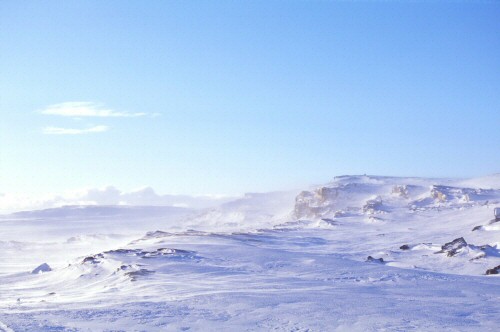
arctic_landscape2

L’article original a été publié sur Ria Novosti.
*


Très prochainement aura lieu à Arkhangelsk, dans le grand nord russe, la deuxièmeédition du forum international “Arctique, territoire de dialogue”, organisé par la Société géographique de Russie. Pour la majorité arctique rime avec pôle nord c’est à dire une zone glaciale, peuplée d’ours blancs et de manchots, avec une faible présence humaine. 
Pour  d’autres, plus initiés (dont sans doute bon nombre de lecteurs de Ria Novosti) l’Arctique est au contraire  un formidable théâtre  d’opérations, avec un potentiel minier important. C’est également une zone de rivalités entre grandes puissances, préfigurant la bataille pour l’énergie que connaîtra sans doute ce siècle. Cette tension autour du pôle nord n’est pas totalement nouvelle. Durant la guerre froide, soviétiques et américains considéraient l’Arctique comme passage le plus court pour observer l’autre mais aussi comme passerelle géographique en cas d’interventions militaires. Pour Jean Claude Besida, l’Arctique est devenu à ce moment là une “interface géopolitique entre puissances”. 

Après la chute de l’URSS et la fin de la guerre froide, les pays riverains de l’Arctique (Russie, Canada, Norvège, Danemark, Etats-Unis) ont constitué trois organisations de coopération régionale destinées à promouvoir la collaboration entre les états ayant des intérêts dans  la zone: Le conseil des états de la mer Baltique en 1992, La Coopération de Barents en 1993 et enfin Le Conseil de l’Arctique en 1996. Auparavant, en 1982, la convention des nations unies sur le droit de la mer avait été signée à Montego Bay, mais elle n’est entrée en vigueur qu’en 1994. Ce timide réchauffement des relations s’est accompagné d’un réchauffement climatique aux conséquences majeures pour la planète.La fonte des glaces devrait en effet s’accélérer durant ce siècle, puisque depuis 1979 la superficie de glace en Arctique a diminué de 20%, et qu’elle devrait encore diminuer de 50% d’ici 2100. Cette fonte des glaces ouvre des perspectives économiques et stratégiques majeures, via le développement de routes commerciales maritimes bien plus courtes, plus rentables et plus sûres, entre l’Occident et l’Asie. 

Deux variantes principales existent, la route du nord qui longe les côtes de la Sibérie et la route du nord ouest qui passe à travers le grand nord Canadien. En outre, on estime qu’un quart des réserves mondiales non encore découvertes de pétrole et de gaz se situent en Arctique. La région est également très riche en minerais divers (nickel, fer, phosphates, cuivre, cobalt, charbon, or, étain, tungstène, uranium ou argent). Enfin L’Arctique comprend également les plus vastes réserves d’eau douce de la planète. Le retour de la Russie dans le concert des puissances internationales a considérablement changé la donne dans la région Arctique. En effet, si les relations entre la Russie et les puissances du nord se sont timidement et diplomatiquement réchauffées, il reste que tous les Etats concernés ainsi que les états au statut d’observateur comme la France sont membres de l’OTAN, sauf la Russie.

Avec leur statut de futurs propriétaires des routes commerciales, Russie et Canada ont décidé d’affirmer activement leur souveraineté sur la région. Lors d’une mémorable expédition en 2007, la Russie a planté son drapeau au fond de l’océan Arctique en utilisant des bathyscaphes. A l’époque, la presse anglaise avait comparé cette expédition aux premiers pas de l’homme sur la lune en 1969 en termes de témérité et de performance technologique. Mais au delà de la prouesse technique, l’expédition a montré l’importance que les autorités russes accordent à cette zone. Si l’Arctique ne représente que 1,5% de sa population, la région compte déjà pour 11% de son PIB et 22% de ses exportations. Enfin, 75% des habitants de l’Arctique sont russes.

La Russie a aussi la frontière arctique la plus longue. Par conséquent une militarisation de l’Arctique est en cours. Elle est alimentée par les cinq nations qui ont des revendications sur la région: États-Unis, Canada, Russie, Danemark et Norvège. Plus récemment, la Grande-Bretagne, la Finlande et la Suède ont également rejoint le débat sur  l’Arctique. Symbole de cette démonstration dissuasive occidentale, les manœuvres militaires Nanook qui ont lieu dans le cadre de l’OTAN tous les étés. Chaque année le nombre de participants et la quantité de matériel impliqué sont en hausse. Cet été par exemple, 100 militaires étrangers se sont entrainés avec plus d’un millier de soldats canadiens. En 2008, les entrainements étaient basés sur le scénario d’un état envahissant l’Arctique. Il est légitime de se demander à quel état les organisateurs pensaient, sachant encore une fois que le seul état Arctique non membre de l’Otan et n’ayant donc pas participé à ces manœuvres est la Russie.

Flotterait-il un parfum de nouvelle guerre fraîche entre russes d’un coté, et américano-canadiens de l’autre? La Norvège vient d’annoncer un projet visant à établir un commandement arctique interarmées, une force de réaction arctique et un renforcement de la base aérienne de Thulé pour la partager avec ses alliés de l’OTAN.
Le Canada, pour sa part,  a récemment décidé de développer les effectifs et le matériel de ses brigades arctiques. Quand à la Russie, elle revendique clairement sa souveraineté sur une bonne partie de la dorsale sous marine Lomonossov. Certains officiels affirmaient déjà en 2008, tel le général Vladimir Chamane, que “le pays devait être prêt à faire la guerre en arctique si nécessaire”. Cette année a vu la création de deux nouvelles brigades arctiques pour contribuer à la protection des intérêts nationaux russes dans la région. Mais par ailleurs, la Russie affirme vouloir faire de l’Arctique un territoire de dialogue et écarte par avance tout risque de conflit dans cette zone du monde. Récemment, l’influent premier ministre Vladimir Poutine a rappelé que: “La sécurité et les intérêts géopolitiques de la Russie sont liés à l’Arctique”. Enfin en dehors des Etats Unis, riverains de l’Arctique via l’Alaska, d’autres pays plus lointains ont manifesté récemment des visées sur l’Arctique: La Chine ou encore l’Iran.

Routes commerciales du futur, exploitation des richesses minières, l’Arctique va sans doute faire l’objet de tractations compliquées et de nouveaux rapports de force entre puissances. Pour les européens, le filtre Otan et nord-américain ne semble pas le plus conforme à leurs intérêts. En effet un équilibre en Arctique n’est pas concevable sans la Russie. En outre, à l’heure ou le moyen orient multiplie les signes d’instabilité, et alors que le besoin en énergie va augmenter durant le siècle, le rapprochement avec la Russie semble plus que jamais utile. C’est ce qu’a laissé entendre l’ambassadeur français pour l’Arctique Michel Rocard: “La Russie est une puissance arctique disposant de nombreux atouts (expérience, matériel…) pour assurer le développement de la route commerciale arctique”.
Russes et européens ont sans doute l’occasion de faire ensemble de l’Arctique un territoire de paix et de dialogue, et d’utiliser ces richesses ensemble, afin de renforcer leurs positions dans le monde.

Les Russes votent, Poutine doit-il s’en faire ?

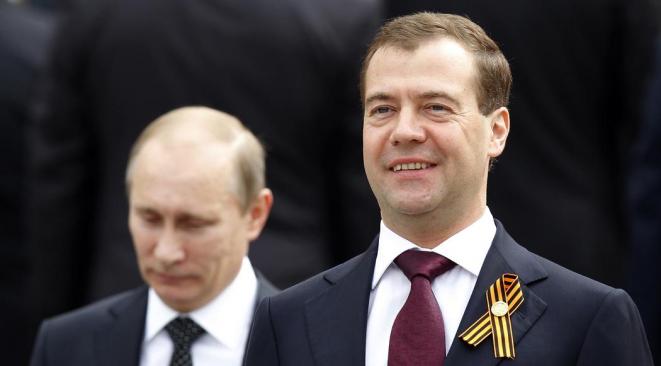
medvedev_poutineDimanche 4 décembre, les Russes votent pour élire les députés à la Douma d’Etat, la chambre basse du Parlement. Ce sera la troisième élection législative de “l’ère Poutine”. Depuis la Constitution de 1993, l’Assemblée russe est composée de 450 députés élus pour un mandat de quatre ans. 225 députés sont élus au suffrage universel direct et 225 sont élus au suffrage proportionnel. La Douma actuelle est présidée par Boris Gryzlov, membre de Russie Unie, le parti de Vladimir Poutine, alors que la précédente Douma était présidée par un éminent membre du parti communiste russe, la plus importante force d’opposition du pays. Le scrutin se tiendra dans 95 000 bureaux de vote à travers tout le pays, mais également dans 145 pays pour les millions de ressortissants russes vivant à l’étranger. Quelque 650 observateurs internationaux sont accrédités pour surveiller l’élection. Continue reading

Battle for the east (3)

Internet-revolution, waged from abroad

We’ve seen that the revolutionary propaganda was largely waged through the social networks in the Internet. Since 2008 and throughout the first mass strike organized in Egypt, Facebook and blogs have been widely used to instigate the protest sentiments, inform about the meeting spots of demonstrators and broadcast the news from the site of action. Then an idea, how to overcome their compatriots’ fear to act, occurred to activists: it was necessary to collect a million of Egyptian signatures for the petition for democratic reforms. Signatures were collected at the web-site with excessive security measures and located in the USA, where the petitioners had to leave their personal data, including the passport number, telephone and e-mail. Generally speaking, this was an ideal way of creating a database. As Sherif Mansour from Freedom House put it later: «The idea was to show million citizens that they have risk-free way of interfering with the politics». On the 6th   of June, 2010 yet another event launched the enlivening of revolutionary activity in the Internet. Blogger Khaled Sayid used Internet from a café in Alexandria to post a video, exposing corruption. Police arrested and tortured him.
April 6 Movement used this detention to create the Facebook page «We are all Khaled Sayid». Due to security reasons the page had at least three administrators, who remained anonymous until the revolution started: one of them was a 25-year-old journalist from Cairo, another one —
a Washington-based activist and the third one — Google department marketing manager from Dubai Wael Ghonim, who later became famous. Curious alliance, coordinated from the the USA through the NGO Freedom House and Internet-corporations (Facebook and Google).

Case of a  phony blogger, who introduced himself as a Syrian Lesbian named Amina, allegedly arrested in Damascus, became an example of an attempt of the foreign intervention into the domestic affairs of the country. Fake kidnapping of a girl by the Syrian police has mobilized numerous bloggers, a group of support for the allegedly arrested girl was created on Facebook — within some days 15 thousand people have joined the group. Soon, however, some bloggers decided to double-check the information. They’ve searched the Yahoo forums, which Amina participated and the U.S. addresses, where she allegedly resided, also the IP-addresses and finally discovered an address in Georgia (USA), which belonged to Thomas McMaster and his wife Britta Froelicher.

At first, a couple denied everything but finally admitted the forgery, claiming that they did it out of humanitarian motives. In fact Tom is an American activist, interested in the Middle Eastern policy, while his wife Britta writes a thesis on…Syrian economy. However, when the bloggers, conducting the  Internet investigation contacted them, a couple was temporarily in Turkey (which neighbors Syria), where they’ve «spent the vacation».

On the 16 th of May this year, April 6 Movement organized the first sitting with the members of Serbian Otpor for Sudan, where the activity of youth movement starts, following the example of other countries, in the Egyptian capital — Cairo. Like Otpor once did, Egyptian April 6 Movement decided not to become a party, putting forth its candidates. Just like Serbs, today Egyptian activists are training future revolutionaries. They maintain connections with young Algerians, Syrians, Yemenites, Moroccans, Libyans, and Iranians  etc.

Vanguard of the Egyptian revolution passed the baton. Although the uprisings started from Tunisia, it was Egypt, where they’ve achieved the
result in the shortest time. It’s easy to recognize Serbian-Egyptian Orange influence in the symbols that the groups, acting in the other Arab countries, used:

 
Exemple in Morocco
 
 
Exemple in Tunisia
 
Saudi Arabia hasn’t escaped these movements either. As we may see below, the very same well-recognizable symbols are used to call for the
demonstrations.
 
 
Internet propaganda that involved the Saudi kingdom has also been spread by such social networks like Facebook, but the most part of messages
were sent from abroad — from the other Arab countries, as Anwar Eshki (Director of the Middle-Eastern Centre for Legal and Strategic Studies)
and human rights activist Fouad al-Farhan confirmed. Besides, Saudi living standards are already not that bad as in other Arab countries,
because it is a rich country and the unemployment rate there is less than 10%. This was exactly the reason that conditioned the failure
of the protest movement. It was harder to mobilize the youth and, besides, the authorities reacted quicker and paid professional bloggers
for organizing a mass counter-propaganda in the web. Therefore, for now Saudi Arabia along with Russia, Belarus, China, Iran and Moldavia makes a group of countries, which weren’t destabilized by the organized agitation.

Арабские восстания: дипломатия 2.0?

Оригинальная статья была опубликована в РИА Новости
*

Ситуация в Ливии окончательно изменилась с падением ливийского лидера
Муаммара Каддафи, а все взгляды направлены сейчас на Сирию Башара
аль-Асада. В течение первых семи месяцев 2011 года, перед лицом арабской
весны, а затем и арабского лета, российская дипломатия часто выглядела
нерешительной, в то время как многие наблюдатели ожидали четко
обозначенной позиции, в продолжение известной и испытанной
дипломатической линии.

Однако Россия заняла выжидательную и осторожную позицию, в которой было
непросто выделить какую-либо направляющую. Ливийская ситуация поначалу
вызвала неразбериху в российской дипломатии: премьер-министр России в
марте сравнил военную операцию Запада в Ливии с крестовым походом, а
президент заявил на следующий день, что термин «крестовый поход»
является несоответствующим и неприемлемым. Многим экспертам и
наблюдателям в тот момент показалось, что это было началом вражды между
этими двумя людьми в виду президентских выборов 2012 года, а также
открытым проявлением двух конкурирующих идейных направлений в самом
сердце российской власти. На следующий день пресс-секретарь Кремля
заявил, что слова президента Медведева были предназначены не
премьер-министру, а стали ответом на заявление ливийского лидера,
обвинившего Запад в том, что тот ведет крестовый поход против его
страны.

Однако неиспользование права вето России во время голосования по
резолюции 1973 ООН является реальным фактом, который был интерпретирован
как изменение в российской дипломатии. Когда сегодня Сирия, считающаяся
близкой Москве страной, сталкивается с ситуацией хаоса, а некоторые
политические лидеры утверждают, что страна является следующей в списке,
что может произойти? Какой может быть позиция России в случае
голосования по резолюции ООН против сирийского режима? В целом, какие
выводы можно сделать из позиции российской дипломатии относительно
последних событий в арабском мире?

Прежде всего, следует отбросить миф, согласно которому имеется список
авторитарных государств, в которых неизбежно произойдут демократические
революции, и будет свергнута действующая власть. Механизм организованных
революций (цветные революции), которые имели место в Евразии, а в
последнее время в Тунисе или Египте, не является универсальным. Ряд
государств, сильных политически и экономически, не поддались массовым
демонстрациям и организованным беспорядкам, как, например, Россия,
Беларусь, Иран, Венесуэла или же Китай. Кроме того, следует отметить,
что революции, произошедшие в Тунисе и Египте, очень скоро привели к
серьезным экономическим проблемам и пока не дали ощутимых результатов в
плане демократических завоеваний. Но события в Ливии или в Сирии не
имеют ничего общего с механизмами попыток ненасильственных восстаний.
Речь идет об организованных, милитаризованных восстаниях (с помощью
нескольких западных держав, как в случае с Ливией), основывающихся на
племенной, этнической или религиозной оппозиции. Разнообразие ситуаций
привело к тому, что Россия ― не единственная страна, проявляющая
осторожность по отношению к событиям, сотрясающим арабский мир.

Россия проголосовала за резолюцию №1970 ООН (эмбарго на поставки
оружия). Она выступала против принятия резолюции №1973, но воздержалась,
не воспользовавшись правом вето. Действуя подобным образом, Россия не
оказалась в изоляции, как верно отметил аналитик Евгений Иванов.
Напротив, она присоединилась к группе воздержавшихся стран, состоящей из
Китая, Германии, Бразилии, а также Индии. Линия БРИК была усилена
Германией, двигателем Европы. Это совпадение позиций России и Германии
является новым и интересным фактом, особенно в момент, когда Франция
равняется на англо-саксонскую позицию и воюет вместе с Великобританией и
НАТО.

Разумеется, личность ливийского вождя, труднозащищаемого на
международной арене, наверняка побудила государства, выступавшие против
военного вмешательства, такие как Россия или Китай, не занимать более
решительную позицию. Для России потенциальные финансовые потери финансовые потери
по контрактам с правительством Каддафи явно не оправдали недовольство
части международного сообщества, с которым Россия ведет переговоры по
очень деликатным вопросам, таким как вступление в ВТО или
противоракетный щит в Европе. Кроме того, представители ливийской
оппозиции недавно заявили, что они планируют сотрудничать с промышленно развитыми странами, включая Россию и Китай, во имя возрождения и восстановления Ливии.

Сирия, несомненно, является другим примером. В августе Россия и Китай
выступили против голосования по резолюции, предложенный Советом по
правам человека. Россия предложила новую резолюцию, поддержанную группой БРИК,
которая показывает, что она не намерена отстраняться от сирийского
досье. Сегодня официальная российская позиция состоит в поддержке
сирийской власти. Поддержка Россией Сирии интерпретируется по-разному.
Как верность по отношению к давнему союзнику или желание избежать
дестабилизации региона, включая Ливан и Израиль.

Тем не менее, как в Ливию, так и в Сирию, Россия направила своих
представителей для дискуссий с оппозицией. Также в августе президент
России настоятельно призвал сирийского лидера по реформированию
политической системы страны, следуя примеру Турции (давний союзник Сирии
и России), но также Лиги арабских государств, которая также решительно
осудила чрезмерное использование силы при подавлении демонстраций. Это
сближение с позицией Лиги арабских государств показывает, что Москва
вышла из постсоветского догматизма систематической защиты исторических
лидеров, и готова сотрудничать с некой средней умеренной линией,
представленной Лигой арабских государств.

Проявление этой недавней прагматичной политики, проводимой российскими
властями в регионе: турбина АЭС в Бушере (построенной Россией) в Иране
прошла успешное испытание во вторник 23 августа. Почти в то же время Тегеран заявил, что поддерживает
российскую инициативу по возобновлению зашедших в тупик переговоров по
спорной ядерной программе Тегерана между государствами группы 5 + 1 и
Ираном.

Перевод
Уголин (Ursa-Tm)


Révoltes arabes: diplomatie 2.0?

L’article original a été publie sur Ria Novosti.
*
Alors que les évènements en Libye ont visiblement définitivement basculé avec la chute du leader libyen Mouammar Kadhafi, tous les regards sont désormais braqués sur la Syrie de Bachar el-Assad. Durant les sept premiers mois de l’année 2011, face au printemps, puis à l’été arabe, la diplomatie russe a souvent semblé hésitante alors que de
nombreux observateurs s’attendaient  à des positions tranchées, dans la continuité d’une certaine ligne diplomatique bien éprouvée.

 
Bien au contraire, la Russie a eu une position attentiste et prudente, dans laquelle il n’a pas été facile de discerner une quelconque ligne directrice. L’affaire libyenne a même provoqué un début de confusion dans la diplomatie russe: en effet, le premier ministre russe en mars dernier avait assimilé l’opération militaire occidentale en Libye a une croisade alors que  le président avait déclaré dès le lendemain que le terme de croisade était inadapté et inacceptable. Nombre de spécialistes et  bservateurs, à ce moment là, ont imaginé que c’était le début des hostilités entre les deux hommes en vue de l’élection présidentielle russe de 2012, mais également l’apparition  au grand jour de deux courants d’idées qui pourraient s’affronter, au cœur du pouvoir russe. Le jour suivant, le porte-parole du Kremlin avait affirmé que les propos du président Medvedev n’étaient  pas destinés au premier ministre mais qu’il s’agissait d’une réponse à une déclaration du guide libyen qui avait aussi accusé les occidentaux de mener une croisade contre son pays.
Pour autant, l’absence d’utilisation du droit de veto par la Russie, au moment de la résolution  1973 de l’ONU est un fait concret, qui a été interprété comme un replacement diplomatique de la Russie. Aujourd’hui,  alors que la Syrie, considérée comme proche de Moscou, est face à une situation chaotique, et que certains leaders politiques ont déjà affirmé que le pays est le suivant sur la liste, que pourrait-il se passer ? Quelle pourrait être la position de la Russie en cas de vote d’une résolution de l’ONU contre le régime syrien ? Plus globalement quelles conclusions peut-on tirer des prises de position diplomatiques russes récentes à propos des évènements  dans le monde arabe?
Tout d’abord il faut écarter ce mythe selon lequel il y aurait une liste d’Etats autoritaires destinés à subir des révolutions démocratiques inévitables, certaines de renverser les pouvoirs en place. Le mécanisme des révolutions organisées (révolutions de couleurs) qui ont eu lieu en Eurasie, puis plus récemment en Tunisie ou en Egypte par exemple, n’a pas réussi partout. Un certain nombre d’états politiquement et économiquement solides n’ont pas succombé aux manifestations de masse et aux désordres organisés, que l’on pense à la Russie, à la Biélorussie, à l’Iran,  au Venezuela ou encore à la Chine. Par ailleurs, il faut remarquer que les révolutions qui ont eu lieu en Tunisie et en Egypte  ont rapidement débouché sur des problèmes économiques importants et n’ont pas encore livré de résultats clairs en matière de gains démocratiques. Mais les évènements en Libye ou en Syrie n’ont plus rien à voir avec ces mécanismes de tentatives de révoltes non violentes. Il s’agit de rebellions organisées, militarisées (par plusieurs puissances occidentales dans le cas de la Libye), et  basées sur des oppositions tribales, ethniques, ou  religieuses. La diversité des situations a faitque la Russie n’est pas le seul Etat à faire preuve de prudence face aux évènements qui secouent le monde arabe.
La Russie avait voté la résolution 1970 de l’ONU (embargo sur les armes).  Elle était opposée au vote de la résolution 1973, mais s’est abstenue plutôt que de faire veto. En agissant ainsi, la Russie ne s’est pas du tout isolée comme l’a très bien noté note l’analyste Eugene Ivanov. Au contraire, elle a rejoint un  groupe d’abstentionnistes, composé de la Chine, de l’Allemagne, du Brésil mais également de l’Inde.  Une ligne BRIC élargie à l’Allemagne, moteur de l’Europe. Cette coïncidence entre les positions de la Russie et de l’Allemagne est un fait nouveau et intéressant,  surtout au moment ou la France s’alignait sur les positions anglo-saxonnes et guerroyait aux cotés de l’Angleterre, puis de l’Otan.
Bien sur la personnalité du guide Libyen, indéfendable sur la scène internationale a surement incité les états qui étaient opposés à l’intervention militaire, comme la Russie ou la Chine, à ne pas prendre position plus fermement. Pour la Russie, la perte financière potentielle sur les contrats engagés avec le gouvernement Kadhafi n’a
visiblement pas justifié de froisser une partie de la communauté internationale avec laquelle la Russie est en négociations sur des sujets très sensibles, comme l’entrée dans l’OMC ou le bouclier anti-missiles en Europe. En outre les représentants de l’opposition libyenne viennent d’affirmer qu’ils envisageaient de coopérer avec les pays industrialisés, y compris la Russie et la Chine, au nom de la renaissance et du redressement de la Libye.
La Syrie est sans doute un autre cas de figure. Pendant le mois d’août, la Russie et la Chine se sont opposées au vote de la résolution proposée par le conseil des droits de l’homme. Mieux la Russie est à l’origine d’une nouvelle résolution, soutenue par le groupe BRIC, ce qui montre qu’elle entend ne pas être écartée du dossier Syrien.

Aujourd’hui la ligne officielle russe est celle du soutien au pouvoir Syrien. Ce soutien de la Russie à  la Syrie est interprété de diverses manières. Fidélité à un allié de longue date, ou désir d’éviter une déstabilisation de la région, Liban et Israël compris.

Pour autant, en Libye comme en Syrie, la Russie a envoyé ses représentants discuter des le début avec l’opposition. Toujours pendant  le mois d’août le président russe a fermement incité le leader Syrien à réformer le système politique du pays, emboitant ainsi le pas à la Turquie (un allié de longue date de la Syrie et de la Russie) mais aussi à ligue arabe, qui a également fermement condamné la répression excessive des manifestations. Cet alignement sur les prises de position de la ligue arabe montre que Moscou est sorti du dogmatisme postsoviétique de défense systématique des leaders historiques, en étant prête à collaborer avec une certaine ligne médiane et modérée,
représentée par la  ligue arabe.
Traduction de cette récente politique pragmatique développée par les autorités russes dans la région: La turbine de la centrale nucléaire de Bouchehr (construite par la Russie) en Iran a été testée avec succès mardi 23 août. Dans le même temps ou presque, Téhéran  a affirmé  soutenir l’initiative russe de relance des négociations entre l’Iran et les grandes puissances du groupe 5+1 sur le programme nucléaire controversé de Téhéran, négociations pourtant dans  l’impasse depuis de nombreux
mois.

Battle for the east (2)

Is Egyptian April 6 Movement an Arabian Otpor?

Symbols of the Egyptian April 6 Movement leave no place for doubts regarding the influence of Serbian Otpor and other youth movements, which distinguished themselves during the Eurasian color revolutions.Even theself-presentation of this association is rather unequivocal. At the web-site of organization we discover a revolutionary symbol  of Otpor — the lifted fist.


Lifted fisted is a well-distinguishable logo, invented by Otpor and used by the Orange movements, siding with the Serbian alignment — be it Georgian Kmara or Russian Oborona.

 
Two reports that Wikileaks published in November of 2008 and January of 2010 mentioned the connections between the U.S. Embassy in Cairo and numerous Egyptian activist. It was pointed out that blogger Israa Abdel Fattah was a member of activist group, which participated in one of the educational programs, which Freedom House NGO organized in Washington.
 
The program named «New Generation» was financed by the USAID. Its objective was to train «political and social reformers». Report about that visit is available at the Freedom House web-site. Let’s compare this program to the activity of the French Embassy towards the French national minorities from the suburbs.
In January of 2010 the American diplomatic support of the  emerging Egyptian opposition for the sake  of organizing the «democratic»
coup d’état was publicly announced in the Project of Middle East Development — it wasn’t restrained only with the Egyptian territory, but rather included en entire Middle East. As the report, dated by the January of 2010, specifies, in response Egyptian authorities have carried out a series
of preventive detentions of a «group of people including bloggers, journalists and opposition activists, El-Ghad and Democratic Front party members, Kifaya and the April 6 Movement functionaries». There was even one Frenchman among the arrested…Some of detained people have
returned from Washington, where they participated in an aforementioned New Generation training program, while a certain man was to take part in POMED.
 
Meanwhile, in March of 2010 few leaders of the April 6 Movement were received by the American counterparts and trained to use the  technologies of public mobilization, strategic planning and the new media. Besides, they studied how to «make the civil society competent in the information matters» and «further politicians and common public to share the information about the real origin of Egyptian democratic freedoms in the Internet».
It’s worth mentioning that then (beginning of 2010) oppositional movements — April 6 Movement, Kifaya, Muslim Brotherhood and Socialist Party — have agreed to carry out a series of scandalous rallies on the eve of the forthcoming Egyptian presidential elections in 2011. Yet, as the Wikileaks cable points out, American Ambassador considered this plan  futile.


Egypt: Middle-Eastern project and the Orange-Green Alliance?

 
Egypt is a key Middle-Eastern country. The USA has two strong allies in the region — Israel and Saudi Arabia. Yet, the state of the primary  strategic importance is Egypt, of course — the country with the largest population, the center of the Arab world.
 
If Egypt is uneasy somehow, it influences the entire region. That’s why American diplomacy is playing double: it supports both official authorities (military junta that replaced Mubarak) and prepares possible successors of the presidential seat. U.S. ties with «radical» Islamists like the Muslim Brotherhood is a special subject. This brotherhood, created in 1928 and prohibited in Egypt since 1954, has returned to the political arena after Mubarak’s resignation through the political movement Party of Freedom and Justice. They’ve established an Egypt  25 TV-channel — a hint to the January 25 Movement,  which deposed the ex-President Hosni Mubarak. Without doubt, they make the majority (in the sense of people’s strength) on the streets today and may become the largest parliament bloc after the elections.
 
So what’s the connection between progressive bloggers and radical Islamic brotherhood, professing jihad? Communities (the Belgrade-like revolutionary cells), where the…non-violent revolutionary actions were taught, have been spreading among the Muslim Brothers since the beginning of Egyptian revolution and holding the first flash-mobs, which seemed to be chaotic at first (according to Ivan Marovic, one of the Otpor members, revolutions always seems to be chaotic on the TV, but they are never such in fact). Mohammed Adel (who trained in Belgrade with the Otpor employees), has also visited several classes.
 
Neither had it come as a surprise that during the first large united demonstration, held on the 25th of January, a curious coalition emerged — it consisted of April  6 Movement, Muslim Brotherhood and the Kifaya movement, which is mediating link between the previous two. Kifaya means «enough», «stop» or even «sick of that», which reminds of the motto «gotov je» (off with it) of Serbian Otpor or Pora («the time has come») youth movements, which were the vanguard of color revolution.
 
Since the moment of its creation, Kifaya was supported by the International Center for Non-Violent Conflict. According to certain French intelligence specialists like Eric Denese (President  of the French Center for Intelligence Studies and a former intelligence officer himself), absence of anti-Israel slogans or statements during the rallies is a sign of a good training of the movement leader.
Finally, there’s a fourth movement — committee of support for Mohamed El Baradei, former IAEA Director. When he returned to the country in the beginning of 2011 in order to take part in the presidential campaign, young activists of the April 6 Movement came to meet him in the
airport. «5 thousand people gathered in one place, nothing like that has ever happened» — Basem Fathy says, one of the rally participants.
Do you remember him? One of the most influential members of the Qatar-based Academy of Change, which mediates Otpor and the April
6 Movement, he was mentioned in the first part of this particle. Now he heads a group with high political
aspirations.
 
We have to mention that Mohammed El-Baradei is a board member of ICG (International Crisis Group), international non-governmental organization, established in 1995 by a group of «prominent European and American activists, disappointed with the inability of global community to efficiently prevent and react to the tragic events that took place in Somali, Ruanda and Bosnia». One of the top aides of this «orange» international group is nobody else but Zbigniew Brzezinski — one the main theoreticians of the modern American geopolitics.

Battle for the east (1)

In the beginning of this year national unrest took place in quite a number of Arab countries, which the world media presented as the chaotic protests of population, willing to break free from decrepit and corrupted leaders. These events were shown us as a kind of revolution, demonstrating people’s crave for democracy and their desire to fully join the modern and progressive trends.

There’s a direct connection of these manifestos to the Eurasian events of the last decade. In the due time the majority of media resources also presented those events as the democratic revolutions, while the population was willing to get done with the Soviet past in order to join the Western system, which synonyms are: freedom, democracy and progress. Nevertheless, today we know that those revolutions, dubbed the «Color» ones weren’t anything but chaotic and independent — they rather truly were democratic coups, funded from without and being a part of strictly appointed geopolitical objectives, aimed at allowing the dominating power (the USA) to keep its presence and control
in Eurasia.

Internet, non-violent ways of fight and the Western influence

Recent events that struck the Arab-Muslim world and known as the Arab Spring was largely initiated from abroad — just like not so distant Eurasian events (in Ukraine, Serbia, Georgia). Lack of organization and the state of their relative weakness allowed these revolutions to happen, but it wasn’t possible everywhere:
remember Belarus or Russia.

Arab Spring started in December of 2010 in Tunisia and then spread to other Muslim countries: Algeria, Jordan, Mauritania, Oman, Yemen, Saudi Arabia, Lebanon, Egypt, Syria, Palestine, Morocco, Sudan, Djibouti, Bahrain, Iraq, Libya, Somali and Kuwait. Outside of the Arab world protest wave also touched Northern Cyprus (its Turkish part) and Iran. All in all, 22 countries have been touched by the unrest to the various degrees — its participants stood up against dictatorship, corruption, poverty, tough actions of authorities and also against the rise of the food prices. Some of those revolutions have made the state leaders step down (Tunisia, Egypt), others — to the civil wars (Libya, Yemen). In certain cases turmoil turned into inter-clannish clashed (Syria) or the religious conflict between Shiites and Sunni (Bahrain). Finally, the Egyptian situation remains uneasy until now.
Given the prospect of election in the end of the year, it seems that the country is about to once again face the logical stand of the secular and radically-Islamist political blocs.

Generally speaking, 6 months after the events started neither revolution led to an improvement of the state situation, albeit King of Morocco agreed to carry out certain constitutional reforms at once. New economic troubles shimmered beyond the mirage of democracy in most part of the countries touched by the Arab Spring, while civil wars have started in the others. Already certaincommon features have been revealed, allowing us to draw the parallels with the color revolutions in Eurasia. At first some of these movements were inspired by the non-violent resistance techniques, which or Ukrainian Pora). Moreover, since 2008 certain Arab revolutionary leader have straightforwardly applied to services of those movements — to the Serbian Otpor, precisely speaking, which proves that the people’s uprising was anything but chaotic. Finally, the geopolitical influence of America, which exerted extra pressure over the Muslim world after the events of 9/11, casts its shadow over the event through a web of the NGOs, which funded certain color revolutions.

American influence may be sensed even now, because America has started the new Great Game against Russia and China in this part of planet. In 2003 the U.S. government declassified the design of a new large project of total border re-division in this area — this project was named «The Greater Middle East».
Finally, the use of Internet makes up yet another common feature of these revolutions — or Revolutions 2.0 as they’re dubbed — because the social networks happened to be one the key means used.

Everything started in Tunisia but it was Egypt where the ties and similarities of the Arab Spring and the «color revolutions» became really obvious. In spring of 2008 the April 6 Movement was organized in Egypt — in was intended to support the workers from industrial cities (El-Mahalla El-Kubra), which scheduled the strike for the 6th of April, the same year. The strike succeeded and President Mubarak was forced to raise the laborers’ wages. After those events both masterminds of the movement — Ahmed Maher and Israa Abdel Fattah — were imprisoned. In December of 2008 Mohamed Adel, responsible for the media relations of the April 6 Movement, was sent to the USA, where he met the MPs and partisan functionaries, who advised him securing his organization in the Internet. The ready-made web-site of this organization will play the key role of the Egyptian events in 2011. April 6 Movement site reproduces the imaged of a lifted fist, which is a logo of the youth movements that became the vanguard
of «color revolutions». Take a look yourself:

In Serbia during the anti-Milošević
revolution:

Facebook page of the Egyptian April 6 movement also features that logo. What miracle brought it there?

Budapest — Belgrade — Doha — Cairo

Members of the April 6 Committee used to tell that soon they’ve contacted the web-site of Egyptians, extradited to Qatar, called the Academy of Change and engaged in the promotion of the state transformation ideas. Academy became a copycat of the Otpor techniques at once. What links Otpor, Milošević and the Arab world?

Let’s get a decade back and remember that the Serbian resistance movement
Otpor was remotely created, funded and guided by the USA through various NGOs like Freedom House, Albert Einstein Institute and the International Republican Institute. In order to make sure of that it only takes readingthis interview of one of the Otpor founders, who explains the tight connection of American government and this youth movement. Throughout the 2000s Serbian border police has been registering an extraordinary flow of young Serbs to the Serbian St. Andrew monastery in Hungary for several months. In fact, all these people were expected in the Budapest Hilton hotel, where the retired American Colonel Robert Helvy taught them the most advanced non-violent techniques, based at Gene Sharp’s doctrines.
Milja Jovanović, who got the MTV Free Your Mind award on behalf of Otpor, said that the European Union pretended to be deaf to their calls for help: «‘Send the appropriate application to Brussels and you will get the reply within6–8 months’ they said».
The USA, however sent the financial aid, required for opening 70 branch offices of the movement all over Serbia, within two weeks. Development of this underground revolutionary network and Otpor actions have led to the fall of regime of Milošević.
After the regime change in Serbia, Otpor transformed in CANVAS 1 — sort of a brain tank for the democracy-promoting activists. Today the Institute is mostly funded by Slobodan Dinovic — co-founder of Otpor and a Srdja Popovic’s friend, who headed the telecommunication enterprise after the fall of Serbian regime. CANVAS claims that it wages its activity (workshops, education, and training) in 37 countries and that it only cooperates with the movement that have never conducted violent actions.

So, CANVAS, for example, refused to deal with Hamas and Hezbollah, but rather actively supported oppositionists in Iran, Zimbabwe, Venezuela, Belarus, Myanmar and Tunisia and Egypt before that.

Srdja Popovic claims: «It took Gandhi thirty years to depose the regime. We only needed ten years. Tunisians did that in a month and a half, Egyptians — in 19 days. CANVAS also openly takes part in the workshops, funded by the OSCE, UN and the Freedom House. When, after the fall of Milošević, Otpor publicized the fact of their support by Americans, many embers of the movement decided that they were deceived and left it — today it consists of merely 5 employees, revolution waging consultants, who take money for their services and inform the American government. According to the CANVAS founder, «previously America assisted anyone opposing Milošević». Today’s list of official sponsors of the organizations leaves no place for doubts of its political orientation.

Let’s get back to the Academy of Change, though. As one of its members, Basem Fathyadmits, the academy works with a variety of progressive Arab movements, is financed right from the USA and deals with the human rights protection
founded in an Islamic country, yet is the U.S. ally, will hardly be more surprising than its field of operation. During the Serbian events, which led to the collapse of regime of Milošević, disproval of election results by one of the NGOs observing them (Center for Free Elections and Democracy) was one of the things that triggered the street revolution.

Similar mechanism, 100%-funded by the American National Endowment for Democracy NGO operated in the Arab world. We’re talking about the U-Shahid web-site. Members of the Qatar-founded academy, replied positively to the request of their compatriots, sent through the Facebook and established their contact with the Otpor (today’s CANVAS). Then two Otpor leaders Srdja Popovic and Ivan Marovic passed theoperational documents to them.

In June of 2009 CANVAS created by Otpor organized a colloquium on Egypt. Mohamed Adel and blogger Esraa Abdel Fattah, responsible for the media PR of the Movement of the 6 th of April, have even been sent to a two-week-long study course to Belgrade. In Belgrade they’ve joined other young Arabs from Egypt, Tunisia, Algeria and Morocco, who came to Serbia in order to attend the CANVAS classes.

Besides, leaders of the International Non-Violent Conflict Center organized the training of activists and bloggers directly at the place of action, in Egypt, teaching them the way of non-violent revolutions and distributing Gene Sharp’s textbook, describing 198 non-violent actions — one may find out the details at the web-site of the Albert Einstein Institute.

Gene Sharp’s textbook, translated to  Arab started to spread all over the Internet and during the anti-Mubarak rallies in Egypt it was downloaded more than 17 thousand times. One may get acquainted with various how-to guides for rallies and street demonstrations in Arab here and here. Al-Jazeera directed a quite educative documentary about this well-planned revolution that struck Egypt.

Битва за Восток (3)

Интернет-революция, ведущаяся из-за границы


Не будет преувеличением сказать, что революционная пропаганда в дни «Арабской весны» велась по большей части через социальные сети в интернете. Начиная с 2008 года, с первой массовой забастовки в Египте, сеть Facebook и блоги широко использовалась для подъема протестных настроений, информирования о местах встречи демонстрантов и передачи последних новостей с места событий. Тогда у активистов появилась идея, как перебороть у своих сограждан страх действовать: а именно, собрать миллион подписей египтян под петицией за демократические реформы в стране. Сбор подписей под петицией был организован через сайт с повышенными мерами безопасности и расположенный в США, где подписавшиеся должны были оставить свои личные данные, в том числе номер своего паспорта, телефон и адрес электронной почты. В общем, это был идеальный метод для составления базы данных. Как об этом скажет позже Шериф Мансур из НПО Freedom House: «Идея была в том, чтобы показать миллиону граждан, что они могут вмешиваться в политику без риска для себя». 6 июня 2010 года одно событие стало толчком к активизации деятельности революционеров в интернете. Блоггер по имени Халед Саид вышел в сеть из интернет-кафе в Александрии, чтобы выложить видео, разоблачающее коррупцию. Он был арестован и подвергся преследованиям полиции.


Движение 6 апреля использовало этот арест для создания страницы на Facebook «Все мы — Халед Саид». Из соображений безопасности у страницы было по крайней мере три администратора, остававшиеся анонимными до начала революции: один из них — 25-ти летний каирский журналист, другой — активист, проживающий в Вашингтоне, а третий — менеджер по маркетингу отделения Google в Дубаи, ставший знаменитым Ваель Гоним (Wael Ghonim). Интересный альянс, координируемый из США посредством неправительственной организации (Фридом Хаус) и интернет-корпорациями (Facebook и Google).


Дело фальшивого блоггера, представлявшегося сирийской девушкой-лесбиянкой по имени Амина, якобы арестованной в Дамаске, стало примером попытки иностранного вмешательства во внутренние дела Сирии. Мнимое похищение девушки сирийской полицией мобилизовало многочисленных блоггеров, на Facebook была создана страница в поддержку якобы арестованной девушки, число подписчиков которой за несколько дней достигло 15-ти тысяч. Но вскоре некоторые блоггеры решили проверить информацию. Они прочесали форумы Yahoo, в которых участвовала Амина, а также адреса в США, где предположительно жила девушка, IP-адреса, и в конце концов вышли на адрес в штате Джорджия, США, принадлежащий Томасу Макмастеру и его жене Бритте Фроличер.


Пара вначале все отрицала, но в итоге призналась в фальсификации, утверждая, что они делали это из гуманных побуждений. На самом деле Томас — американский активист, увлекающийся ближневосточной политикой, а его супруга, Бритта пишет диссертацию по экономике… Сирии. Впрочем, когда блоггеры, проводившие интернет-расследование наконец вышли с ними на связь, пара временно находилась в соседней с Сирией стране — Турции, где они «проводили отпуск».


16 мая этого года в Каире, столице Египта — страны, освобожденной от диктатора, движением 6 апреля было организовано первое совещание с членами сербского движения «Отпор» по Судану, где по модели других начинается деятельность молодежного движения. Как и «Отпор» в прошлом, египетское движение 6 апреля решило не становиться партией, которая представит своих кандидатов на выборы. Так же как и сербы, египетские активисты сегодня занимаются обучением будущих революционеров. Они поддерживают контакт с молодыми алжирцами, сирийцами, йеменцами, марокканцами, ливийцами, иранцами и т.д…


Авангард египетской революции передает эстафету. Хотя мятежи начались с Туниса, но именно в Египте они быстрее всего привели к результату. В символике, которую используют группировки, создающиеся в других арабских странах, можно легко распознать сербо-египетское оранжевое влияние:


Пример Марокко:


Пример Туниса:

Саудовскую Аравию эти движения также не обошли стороной. Как мы видим ниже, в призывах к демонстрациям используется все та же узнаваемая символика.


Интернет-агитация, охватившая Саудовское королевство, распространялась посредством таких социальных сетей как Facebook, однако сообщения отправлялись из-за границы, главным образом из других арабских стран, как подтвердили директор Ближневосточного центра правовых и стратегических исследований Анвар Эшки (Anwar Eshki) и правозащитник Фуад аль-Фархан (Fouad al-Farhan). Кроме того, условия жизни для молодежи в Саудовской Аравии не так плохи, как в других арабских странах, ведь это богатая страна и безработных в ней менее 10%. Этим по большей части объясняется провал протестного движения. Мобилизация молодежи проходила труднее, и, кроме того, власти быстро среагировали и заплатили блоггерам-профессионалам, чтобы те организовали массовую контрагитацию и контрпропаганду в сети. Таким образом, Саудовская Аравия в настоящий момент наряду с Россией, Белоруссией, Китаем, Ираном и Молдавией входит в группу тех стран, которые организованная агитация дестабилизировать не смогла.